


Raw material
Collection, sorting and preparation of crustacean shells prior to laboratory processing. Proper handling of the biomass is essential to ensure efficient recovery of biopolymers and consistent material quality.
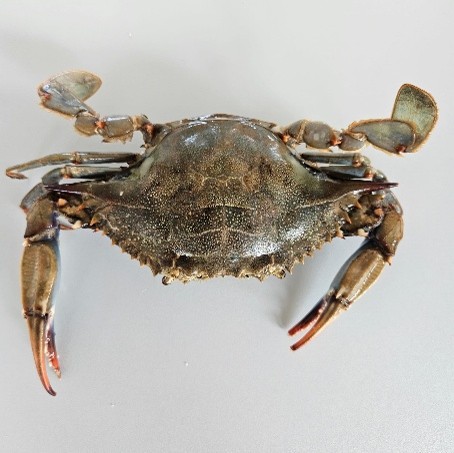
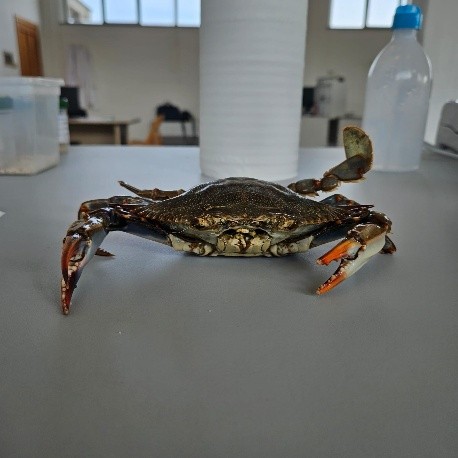
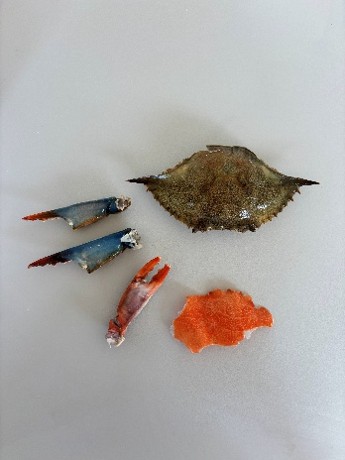
Callinectes sapidus – Blue crabs
Invasive blue crab specimens collected and processed within the MARMADE project. The biomass is valorised through the recovery of chitin-rich exoskeletons, contributing to the development of sustainable bio-based materials.
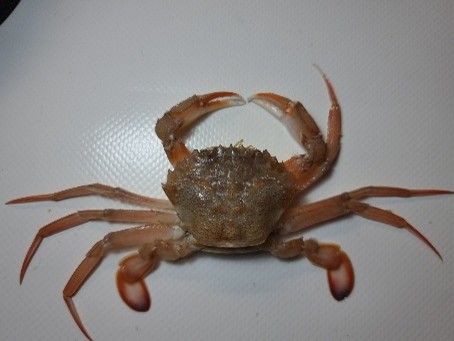
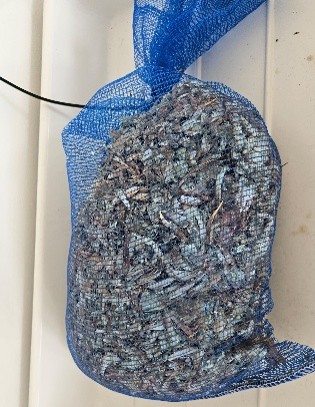
Liocarcinus depurator – Harbour crabs
Harbour crab biomass selected as an alternative marine resource for chitin extraction and circular economy applications. The project explores innovative routes for transforming marine by-products into high-value biomaterials
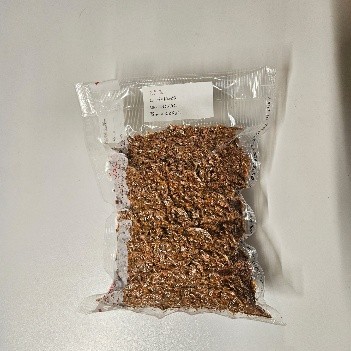
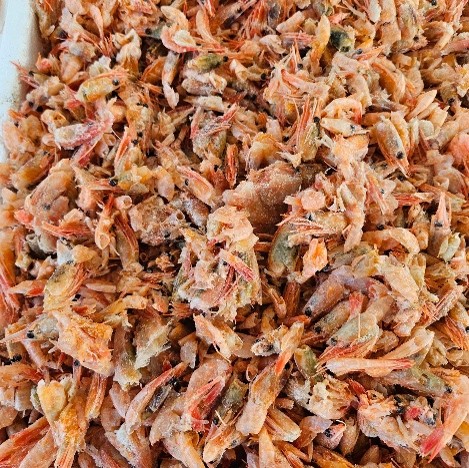
PANDALUS BOREALIS – ARTIC SHRIMPS
Shrimp shell residues constitute an important source of chitin. Through sustainable extraction processes, these by-products are converted into valuable raw materials for the production of chitosan and derivative biomaterials.
EXTRACTION PROCESS
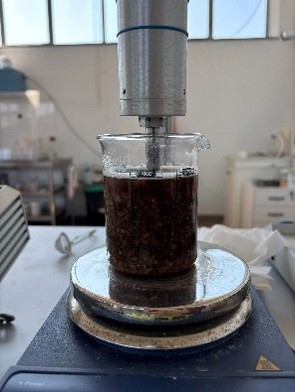
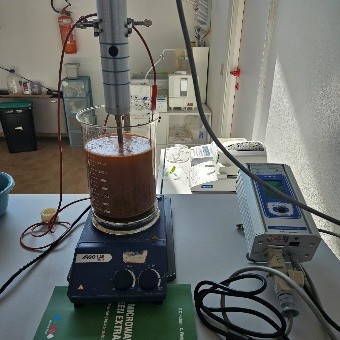
SONICATION PROCESS during CHITOSAN EXTRACTION
Sonication-assisted extraction process used to enhance chitosan recovery from marine biomass. This approach aims to improve extraction efficiency while supporting environmentally sustainable processing methods.
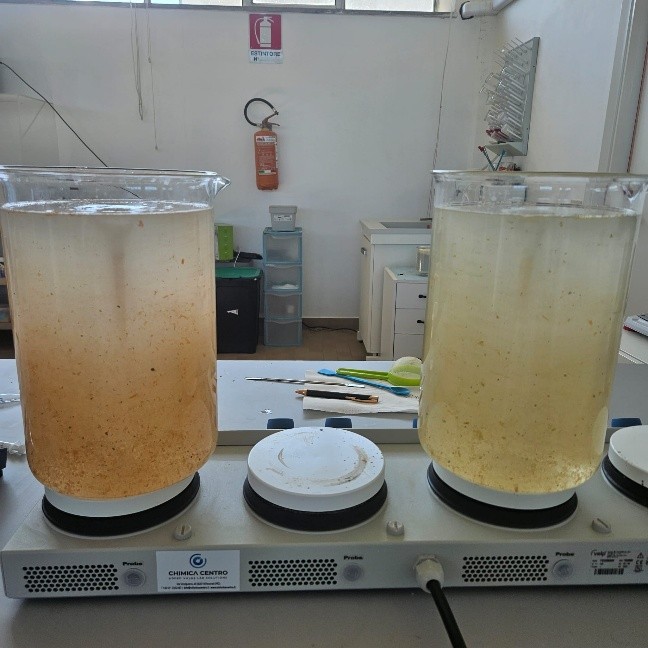
DEPROTEINIZATION of CHITOSAN from Borealis (left) and from liocarcinus (right)
MARMADE promotes the complete valorisation of marine biomass. During the deproteinisation process, proteins are separated from crustacean shells, creating an additional value stream while preparing the material for chitin extraction. This integrated approach supports the recovery of multiple bio-based products from a single marine resource, contributing to circular economy objectives.
concentration stage
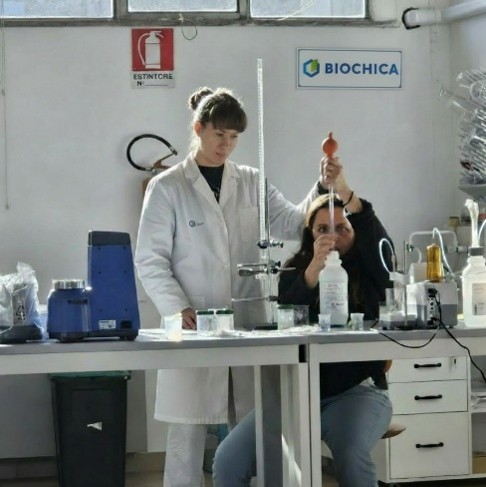
The concentration stage increases the chitosan content of the extracted solution, facilitating downstream processing and material development. This step contributes to the efficient recovery of high-value biopolymers from marine biomass, supporting the circular bioeconomy objectives of the MARMADE project.
Contribution to MARMADE
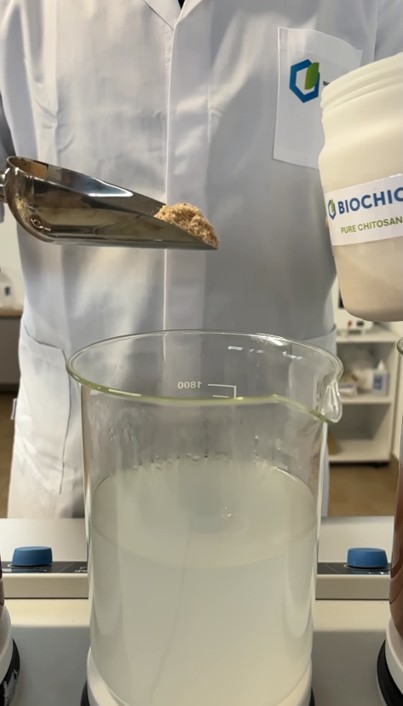
These activities demonstrate how marine by-products and invasive species can be transformed into valuable bio-based resources through innovative processing technologies, contributing to circular economy principles and the sustainable use of marine resources.