Algae at the heart of Europe’s blue bioeconomy
Algae are moving steadily from a promising biological resource to an increasingly important feedstock for Europe’s circular bioeconomy. In a recent article, the Circular Bio-based Europe Joint Undertaking (CBE JU) highlighted how microalgae and seaweed are being transformed into ingredients and materials for food, feed, cosmetics, chemicals and other bio-based applications, while new projects are helping overcome the technological and economic barriers that have so far limited large-scale deployment.
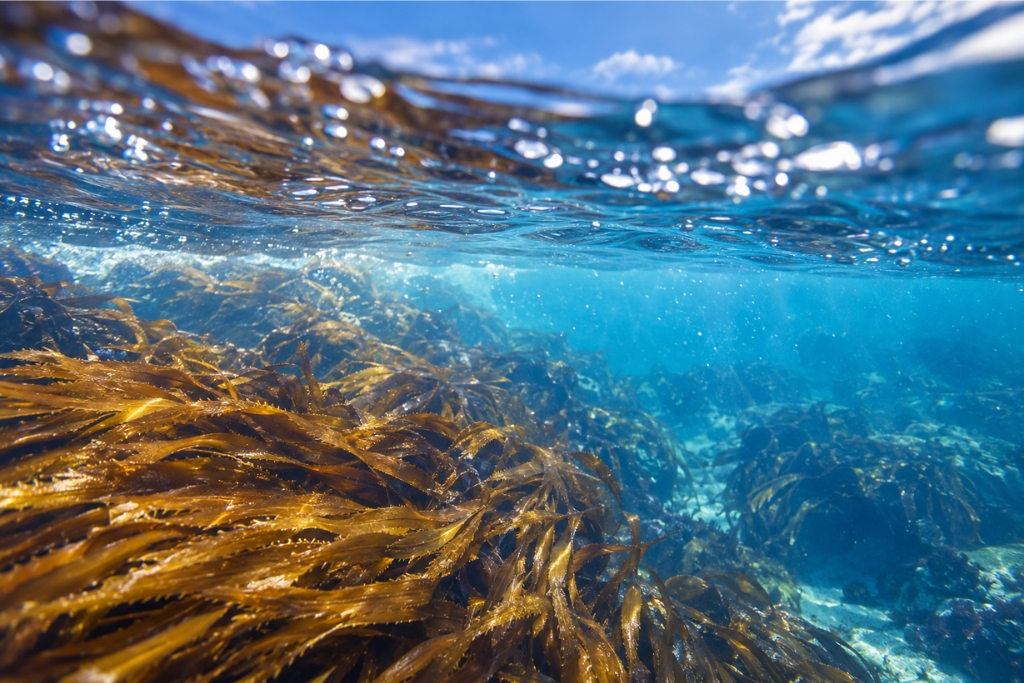
Their potential lies in both their versatility and their production characteristics. Microalgae and macroalgae can provide valuable proteins, lipids, pigments, carbohydrates and other compounds and, in many cultivation systems, can be produced without competing directly for agricultural land. This makes them particularly relevant as Europe looks for renewable resources that can support more resilient and sustainable value chains.
From algae cultivation to high-value applications
The CBE JU article presents a growing portfolio of projects working across the algae value chain. Initiatives such as SCALE and ALLIANCE focus on microalgae processing and biorefining, while BIG-ALGAE and SALINA address the cultivation and valorisation of macroalgae. Other projects, including ALEHOOP, PROMISEANG and ALGANOVA, are exploring the potential of algae and marine side streams as alternative protein sources and ingredients for food and feed.
Together, these initiatives point towards a broader transition: rather than using biomass for a single product, increasingly sophisticated biorefinery approaches aim to recover several valuable fractions from the same biological resource, improving resource efficiency and supporting more circular production systems.
MARMADE contributes to this transition
This direction is closely connected with the work of MARMADE, which is developing sustainable, high-value food and feed ingredients from marine biomass, including seaweed, shrimp shells and blue crab residues.
Within the project, innovative extraction and processing approaches are being explored to recover nutritional and bioactive compounds from marine biomass. A cascading biorefinery approach allows MARMADE to make more efficient use of these resources and support their transformation into ingredients for future food and feed applications.
Building a stronger European blue bioeconomy
The developments highlighted by CBE JU show that algae are becoming increasingly relevant to Europe’s efforts to strengthen its bio-based industries, diversify sources of proteins and other ingredients, and make better use of marine and aquatic resources.
MARMADE contributes to this wider effort through its work on recovering valuable compounds from seaweed and other marine biomass streams and transforming them into safe, sustainable and high-value food and feed ingredients.